
If you or someone you love has been struggling with Xanax dependence, the thought of stopping can feel overwhelming—even frightening. Benzodiazepine withdrawal isn’t just uncomfortable; it can be medically dangerous without proper supervision.
Understanding what medical detox involves and why it’s essential for Xanax addiction can be the first step toward safe, compassionate recovery in a supportive environment where healing becomes possible.
Why Xanax Withdrawal Requires Medical Supervision
Xanax (alprazolam) is a short-acting benzodiazepine commonly prescribed for anxiety and panic disorders. While effective when used as directed, Xanax carries significant risks for dependence, sometimes developing even in people taking prescribed doses, according to the National Institute on Drug Abuse (NIDA).
Unlike many substances, benzodiazepine withdrawal can be life-threatening. Seizures, severe confusion, hallucinations, and dangerous blood pressure fluctuations can occur when someone stops Xanax abruptly, according to the Substance Abuse and Mental Health Services Administration (SAMHSA).
This is why medical detox isn’t just recommended for Xanax addiction—it’s medically necessary for your safety and well-being.
What Medical Detox for Xanax Involves
Medical detox provides 24/7 supervision during the withdrawal process, ensuring your safety and comfort as your body adjusts. At inpatient medical detox facilities in Massachusetts, the process typically includes:
1. Initial Assessment
Medical professionals evaluate your usage history, overall health, and any co-occurring mental health conditions.
This comprehensive approach recognizes that anxiety, trauma, or other underlying issues often accompany benzodiazepine dependence.
2. Individualized Tapering Protocol
Rather than stopping suddenly, medical teams create a careful tapering schedule as recommended by clinical guidelines.
This gradual reduction minimizes withdrawal severity while maintaining your safety throughout the process.
3. Medication Management
Additional medications may be prescribed to manage specific withdrawal symptoms, reduce discomfort, and prevent complications.
Every aspect of your care is monitored and adjusted based on your individual response.
4. Therapeutic Support
Withdrawal isn’t just physical. Anxiety, depression, and emotional distress often intensify during detox.
Professional counseling and therapeutic support help you navigate these psychological challenges with compassion and understanding.
The Connection Between Anxiety and Xanax Dependence
Many individuals who develop Xanax dependence were originally prescribed the medication for legitimate anxiety or panic disorders.
This creates a complex situation: you’re not just withdrawing from a substance—you’re also addressing the underlying condition that led to its use.
Dual Diagnosis Treatment
Dual diagnosis treatment integrates mental health care with addiction recovery from day one.
As you safely detox from Xanax, your clinical team also addresses anxiety, trauma, depression, or other co-occurring conditions using evidence-based therapies and non-addictive medications.
A Holistic Approach to Recovery
This approach recognizes that sustainable recovery requires treating root causes—not just managing symptoms.
Healing happens when we address the whole person, not just the substance.
Finding Medical Detox in Massachusetts
If you’re in Worcester, Springfield, Falmouth, or anywhere in Eastern Massachusetts, accessing safe medical detox for Xanax addiction is closer than you might think.
The Berkshire Mountains region offers peaceful settings where you can focus entirely on healing—away from daily stressors and triggers.
Most insurance plans cover medical detox, and confidential assessments can help you verify your coverage and explore available options without obligation.
What Happens After Detox?
Medical detox is the crucial first step, but recovery doesn’t end there.
Following detox, residential treatment programs provide continued care that helps you:
- Develop healthy coping strategies for anxiety
- Process trauma or emotional triggers
- Build a foundation for sustainable wellness
Aftercare Planning
Comprehensive aftercare planning ensures you receive ongoing support as you transition back to daily life.
This may include therapy connections, medication management, and community resources to help maintain recovery momentum.
Taking the First Step Toward Safe Recovery
You don’t have to face Xanax withdrawal alone—or put yourself at risk.
Medical detox offers the safety, comfort, and comprehensive care you deserve during this challenging but hopeful phase of healing.
At Berkshire Mountain Recovery, we provide medically supervised detox in a peaceful, supportive environment where your safety and dignity come first.
Our compassionate team understands the complexities of benzodiazepine dependence and is here to guide you through every step of recovery.
Contact us today to learn more about our medical detox options in Great Barrington and across Massachusetts.
Sources:
[1] https://pmc.ncbi.nlm.nih.gov/articles/PMC3896296/
[2] https://nida.nih.gov/research-topics/opioids/benzodiazepines-opioids
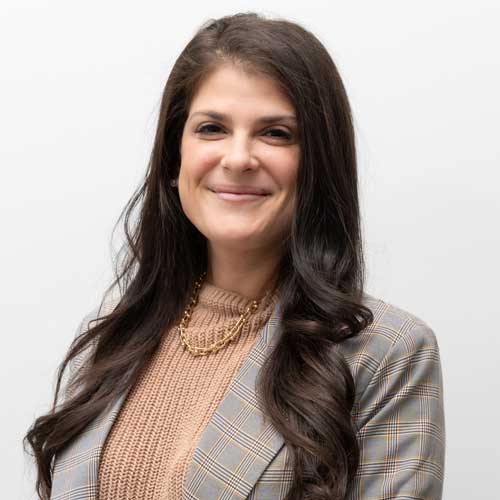
Alexis earned both a B.S. in Psychology and a B.S. in Family and Child Sciences from Florida State University and an M.A. in Marriage and Family Therapy from the University of San Diego. She holds licenses in Marriage and Family Therapy in Florida, Connecticut, and Massachusetts and is also a member of the American Association for Marriage and Family Therapy (AAMFT).
Alexis works with families, couples, children, and groups and also has a sub-specialty in addiction and recovery. She utilizes an integrated, systemic approach to counseling; empowering people to define what is not working for them in their lives and to discover the possibilities for making life work. In doing this, clients are guided towards identifying their strengths, accessing their resources, tapping into their potential for success, and taking action toward achieving their desired goals.
Alexis also has extensive experience in the administration of behavioral health organizations. She has developed, built, and supervised several facilities encompassing all levels of care while leading them through state licensing and The Joint Commission accreditation process.