
The opioid crisis continues to impact communities across Massachusetts, with thousands of individuals and families searching for safe, effective treatment options. If you or someone you love is struggling with opioid addiction, understanding the specialized care available at detox centers in Massachusetts can be the first step toward lasting recovery.
The good news is that medical advances have made opioid detoxification safer and more comfortable than ever before, offering hope during what may feel like an overwhelming time.
Understanding Opioid Withdrawal and Why Medical Supervision Matters
Opioid withdrawal presents unique physical and psychological challenges that require specialized medical attention. While opioid withdrawal is not typically life-threatening, the symptoms can be intensely uncomfortable and often lead individuals back to substance use without proper support, according to the National Institute on Drug Abuse.
Common Withdrawal Symptoms
- Severe muscle aches
- Nausea and vomiting
- Anxiety and restlessness
- Insomnia
- Intense cravings
These symptoms can feel unbearable without professional intervention.
The Role of 24/7 Medical Supervision
Massachusetts detox centers provide round-the-clock medical supervision specifically designed to manage these challenges safely and compassionately. Experienced medical professionals who understand the complexities of opioid dependence monitor every symptom from nausea and muscle aches to anxiety and cravings, ensuring your comfort and safety throughout the process.
You deserve to detox in an environment where your physical and emotional needs are understood and addressed with dignity.
Medication-Assisted Treatment (MAT) for Opioid Addiction
One of the most significant advances in opioid addiction treatment is medication-assisted treatment (MAT), which has transformed the detox experience for countless individuals. Medical detox centers in Massachusetts utilize FDA-approved medications that help stabilize brain chemistry while reducing withdrawal symptoms and cravings, as supported by SAMHSA research.
Evidence-Based Medications
The cornerstone medications used in MAT protocols include:
- Buprenorphine – Reduces cravings and withdrawal symptoms
- Methadone – Stabilizes brain chemistry and prevents withdrawal
- Naltrexone – Blocks opioid receptors to prevent relapse
These medications work differently but share a common goal: helping your body adjust while preventing the severe discomfort that often derails recovery attempts.
Personalized Medication Protocols
Medical teams carefully assess each person’s unique situation, including:
- Type and duration of opioid use
- Previous withdrawal experiences
- Overall health status
- Individual treatment goals
This assessment ensures the most appropriate medication protocol for your specific needs.
Holistic Integration
The integration of MAT with comprehensive therapy creates a foundation for addressing not just the physical dependence, but the underlying reasons why opioid use began. This holistic approach recognizes that healing the body is just one part of the recovery process.
Addressing the Root Causes: Trauma, Pain, and Mental Health
Opioid addiction rarely exists in isolation, and understanding this connection is essential to effective treatment. Many individuals initially turned to opioids to manage:
- Chronic pain
- Emotional trauma
- Undiagnosed mental health conditions
This is why dual diagnosis treatment is essential for lasting recovery.
Comprehensive Assessment
Detox centers in Massachusetts that specialize in opioid addiction understand these complex connections. During the detox process, compassionate medical teams begin assessing co-occurring conditions such as:
- Depression
- Anxiety disorders
- Post-Traumatic Stress Disorder (PTSD)
- Chronic pain syndromes
Integrated Treatment Approach
This comprehensive approach ensures that as your body heals from opioid dependence, you’re also receiving support for the underlying issues that contributed to substance use. Addressing these root causes isn’t just important, it’s essential for building a sustainable recovery that lasts beyond detox.
Transitioning from Detox to Comprehensive Treatment
Medical detox is the critical first step, but lasting recovery requires continued support and therapeutic work. Residential treatment programs in Massachusetts provide seamless transitions from detox to therapeutic programming, ensuring continuity of care during this vulnerable period.
Why Continuity Matters
This integrated approach addresses one of the biggest challenges in opioid recovery: the vulnerable period immediately following detox when relapse risk is highest.
By moving directly into therapies that build coping skills, process trauma, and develop relapse prevention strategies, you maintain the momentum of early recovery while deepening your healing work.
Comprehensive Treatment Components
- Individual therapy sessions
- Group counseling and peer support
- Trauma-informed care
- Relapse prevention training
- Life skills development
- Family therapy and support
Taking the First Step Toward Recovery
Opioid addiction is complex, but recovery is absolutely possible with the right support, and you don’t have to navigate this journey alone. Massachusetts detox centers offer the specialized medical care, compassionate understanding, and comprehensive approach needed to begin your healing journey safely and comfortably.
You don’t have to face withdrawal alone or navigate this challenging time without professional support. The path forward begins with a single decision to reach out.
Contact Berkshire Mountain Recovery today to speak confidentially with our admissions team and learn how our medically-supervised detox program can provide the foundation for lasting recovery in a safe, supportive environment.
Sources:
[1] https://nida.nih.gov/research-topics/medications-opioid-use-disorder
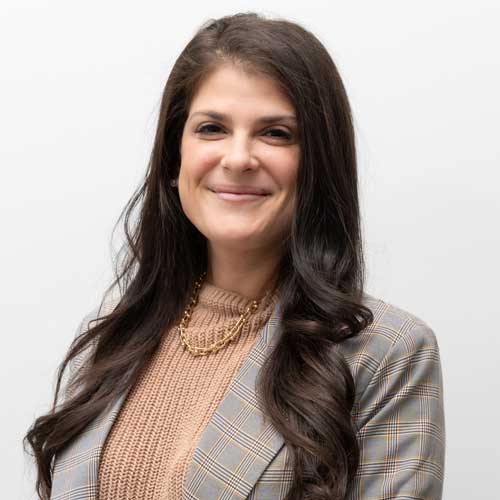
Alexis earned both a B.S. in Psychology and a B.S. in Family and Child Sciences from Florida State University and an M.A. in Marriage and Family Therapy from the University of San Diego. She holds licenses in Marriage and Family Therapy in Florida, Connecticut, and Massachusetts and is also a member of the American Association for Marriage and Family Therapy (AAMFT).
Alexis works with families, couples, children, and groups and also has a sub-specialty in addiction and recovery. She utilizes an integrated, systemic approach to counseling; empowering people to define what is not working for them in their lives and to discover the possibilities for making life work. In doing this, clients are guided towards identifying their strengths, accessing their resources, tapping into their potential for success, and taking action toward achieving their desired goals.
Alexis also has extensive experience in the administration of behavioral health organizations. She has developed, built, and supervised several facilities encompassing all levels of care while leading them through state licensing and The Joint Commission accreditation process.