
Addiction doesn’t affect just one person—it ripples through entire families, creating patterns of pain, misunderstanding, and broken trust.
If you’re seeking treatment for yourself or a loved one at a detox center in Massachusetts, you may wonder whether family involvement truly makes a difference in recovery.
The answer is profoundly yes.
Family programs at comprehensive treatment facilities like Berkshire Mountain Recovery don’t just support recovery—they become essential catalysts for lasting healing.
Why Family Involvement Matters in Addiction Recovery
Addiction is rarely a solitary struggle. Underlying causes such as trauma, unresolved pain, and mental health conditions often have roots in family dynamics—or require family awareness for complete healing.
When families participate in the recovery process, they gain crucial education about addiction as a medical condition and learn how to transform enabling behaviors into supportive ones, according to the Substance Abuse and Mental Health Services Administration (SAMHSA).
Research from the National Institute on Drug Abuse (NIDA) shows that individuals who complete treatment with family involvement demonstrate higher rates of long-term sobriety and emotional stability.
Family programs help:
- Rebuild trust and open communication
- Create accountability
- Establish healthier relationship patterns
- Support sustained recovery
What Family Programs at Massachusetts Detox Centers Include
Family programs are designed to involve loved ones in meaningful, structured ways during the detox and recovery process.
Here’s what they typically include:
1. Education About Addiction and Dual Diagnosis
High-quality family programs in the Berkshires and across Massachusetts provide in-depth education about:
- Substance use disorders
- Co-occurring mental health conditions
- Detox and recovery processes
Families learn that addiction is a medical condition—not a moral failing.
They also discover how dual diagnosis treatment simultaneously addresses both addiction and underlying mental health issues.
This education helps families:
- Recognize early warning signs
- Understand emotional triggers
- Appreciate the medical supervision required during detox and recovery
2. Family Therapy Sessions
Family therapy sessions—both individual and group—offer safe spaces for healing and open communication. Under professional guidance, families can:
- Address unhealthy communication patterns
- Process trauma affecting multiple members
- Rebuild trust gradually and authentically
- Set healthy boundaries that support recovery
- Understand treatment goals and aftercare plans
These sessions foster empathy and teach families that healing is a joint process, not just the responsibility of the person in detox.
3. Support for Family Members’ Own Healing
Family members often experience emotional exhaustion, anxiety, and trauma after years of witnessing addiction.
Effective family programs address this by offering:
- Access to therapists and counselors
- Support groups like Al-Anon Family Groups
- Techniques for stress management and self-care
By focusing on their own emotional recovery, family members can provide stronger, healthier support to their loved one in treatment.
The Role of Family Education in Preventing Relapse
Family education programs equip loved ones with critical knowledge to recognize early warning signs of relapse:
- Identify warning signs: Learn to spot behavioral changes, emotional triggers, and high-risk situations before they escalate
- Enable early intervention: Proactive awareness allows families to provide appropriate support at critical moments
- Reduce stigma: Understand that relapse is often part of the recovery journey, not a failure
- Create accountability: Become vigilant allies in maintaining long-term sobriety through structured support systems
- Strengthen outcomes: Knowledge-based family involvement significantly improves recovery success rates
The Sanctuary Setting Advantage in the Berkshires
The Berkshire Mountains in Western Massachusetts offer a naturally serene, healing environment for both patients and families.
This sanctuary-like setting minimizes external stressors and provides a calm, private space for emotional work and communication.
Families can disconnect from distractions, reconnect with one another, and focus fully on healing. The peaceful environment supports clarity, patience, and compassion—all of which are crucial for long-term recovery.
Aftercare Planning: Setting Up Long-Term Success
Family involvement doesn’t end when detox is complete.
Comprehensive programs include aftercare planning to ensure families stay engaged in their loved one’s recovery journey.
Aftercare planning covers:
- Living arrangements and household dynamics
- Healthy communication and conflict resolution strategies
- Relapse prevention education
- Ongoing therapy and family support groups
- Incorporating new recovery habits into daily life
This collaborative planning helps families understand their ongoing role in long-term sobriety and emotional health.
Begin Healing Together
Recovery is stronger and more sustainable when families heal together.
If you or a loved one struggles with substance use and co-occurring mental health conditions, know that family involvement can transform the recovery experience.
At Berkshire Mountain Recovery, our compassionate, medically supervised programs include family participation designed to promote healing, connection, and resilience.
Contact us today to learn more about how our family program can support lasting recovery in our peaceful Berkshire Mountains sanctuary.
Sources:
[1] https://library.samhsa.gov/sites/default/files/pep20-02-02-016.pdf
[2] https://nida.nih.gov/publications/drugs-brains-behavior-science-addiction/treatment-recovery
[3] https://nida.nih.gov/research-topics/treatment
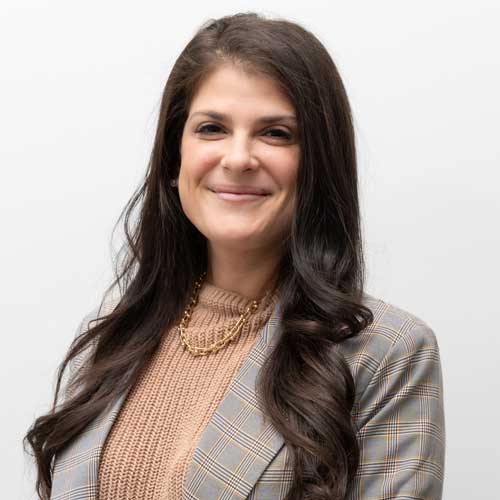
Alexis earned both a B.S. in Psychology and a B.S. in Family and Child Sciences from Florida State University and an M.A. in Marriage and Family Therapy from the University of San Diego. She holds licenses in Marriage and Family Therapy in Florida, Connecticut, and Massachusetts and is also a member of the American Association for Marriage and Family Therapy (AAMFT).
Alexis works with families, couples, children, and groups and also has a sub-specialty in addiction and recovery. She utilizes an integrated, systemic approach to counseling; empowering people to define what is not working for them in their lives and to discover the possibilities for making life work. In doing this, clients are guided towards identifying their strengths, accessing their resources, tapping into their potential for success, and taking action toward achieving their desired goals.
Alexis also has extensive experience in the administration of behavioral health organizations. She has developed, built, and supervised several facilities encompassing all levels of care while leading them through state licensing and The Joint Commission accreditation process.