
If you or someone you love is struggling with both substance use and mental health challenges, you’re not alone, and you’re not imagining the connection between these conditions. Many people battling drug addiction also experience depression, anxiety, PTSD, or other mental health disorders. Without addressing both issues together, recovery can feel like an endless cycle of temporary relief followed by relapse. The truth is that drug use and mental health conditions are deeply intertwined, and treating one without the other rarely leads to lasting healing.
What Is Dual Diagnosis?
Dual diagnosis refers to the co-occurrence of substance use disorders and mental health conditions. Research shows that nearly half of individuals struggling with severe mental illness also experience substance use disorders, and vice versa. This connection isn’t coincidental; drug addiction and mental health disorders often fuel each other in complex ways.
Common Mental Health Disorders Associated with Drug Addiction
Several mental health conditions frequently co-occur with substance use disorders:
Depression and Anxiety Disorders
Individuals may turn to drugs to self-medicate overwhelming sadness, worry, or panic. Unfortunately, many substances initially provide relief but ultimately deepen depressive and anxious symptoms.
Post-Traumatic Stress Disorder (PTSD)
Trauma survivors often use drugs to numb painful memories and emotions. Studies indicate that more than one-third of people with PTSD also struggle with substance use disorders.
How Drug Rehab in Massachusetts Addresses Dual Diagnosis
Quality addiction treatment centers in Massachusetts recognize that treating drug addiction without addressing underlying mental health conditions sets patients up for failure. Comprehensive dual diagnosis treatment centers in MA provide integrated care where both conditions are addressed simultaneously by coordinated treatment teams.
Key Components of Dual Diagnosis Treatment:
Medical Detox with Psychiatric Support: Medical detox facilities in Berkshire County and throughout Massachusetts offer 24/7 medical supervision during withdrawal, with psychiatric professionals monitoring mental health symptoms that may intensify during detox.
Comprehensive Assessment & Evidence-Based Therapies: Drug rehab Massachusetts facilities begin with thorough evaluations identifying substance use patterns, mental health conditions, trauma history, and other contributing factors. Treatment teams then utilize proven approaches including Cognitive Behavioral Therapy (CBT), Dialectical Behavior Therapy (DBT), trauma-focused therapies, and medication-assisted treatment when appropriate—all addressing both conditions simultaneously.
The Berkshire Mountain Approach to Integrated Treatment
At Berkshire Mountain Recovery, we understand that lasting recovery requires treating the whole person, not just the addiction. Our dual diagnosis treatment approach addresses the root causes driving both substance use and mental health struggles—including trauma, pain, and psychological distress.
Our comprehensive services include:
- Inpatient Medical Detox with round-the-clock monitoring for safe withdrawal management
- Inpatient Residential Treatment provides intensive care in a supportive community
- Individual Therapy tailored to each person’s unique mental health needs
- Group Therapy fostering connection and shared healing
- Family Program helping loved ones support dual diagnosis recovery
- Aftercare Planning, ensuring continued support for both mental health and sobriety
Located in Great Barrington, in the Berkshire Mountains, our facility offers a peaceful environment that fosters healing. Most insurance plans are accepted, and we offer free confidential assessments.
Why Treating Both Conditions Together Matters
Attempting to treat drug addiction without addressing co-occurring mental health disorders significantly increases relapse risk. When underlying depression, anxiety, trauma, or other psychological conditions remain untreated, individuals often return to substance use as a coping mechanism even after completing treatment focused solely on addiction.
Integrated dual diagnosis treatment centers provide hope for lasting recovery by:
- Breaking the cycle where mental health symptoms trigger substance use and substance use worsens mental health
- Developing healthy coping strategies for managing both conditions
- Addressing trauma and pain that drive both substance use and psychiatric symptoms
- Creating comprehensive relapse prevention plans that account for mental health triggers
- Providing medication management when appropriate for both conditions
Finding Hope in Massachusetts
Recovery from co-occurring disorders is challenging, but it’s absolutely possible with the right support. The connection between drug addiction and mental health disorders may feel overwhelming, but understanding this relationship is the first step toward comprehensive healing. Treatment that addresses both conditions simultaneously provides the foundation for lasting recovery, improved mental health, and a life free from the burden of addiction.
You don’t have to navigate this journey alone. Compassionate, evidence-based dual diagnosis treatment can help you address both substance use and mental health challenges, treating root causes rather than just symptoms.
Ready to take the first step? Contact Berkshire Mountain Recovery today for a free, confidential assessment.
Sources:
[1] https://www.nimh.nih.gov/health/topics/substance-use-and-mental-health
[2] https://www.ptsd.va.gov/understand/related/substance_abuse.asp
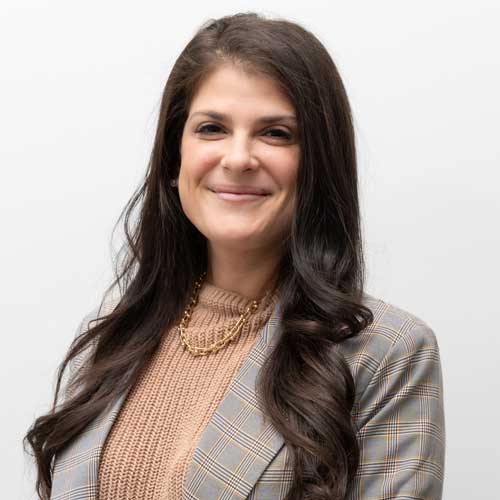
Alexis earned both a B.S. in Psychology and a B.S. in Family and Child Sciences from Florida State University and an M.A. in Marriage and Family Therapy from the University of San Diego. She holds licenses in Marriage and Family Therapy in Florida, Connecticut, and Massachusetts and is also a member of the American Association for Marriage and Family Therapy (AAMFT).
Alexis works with families, couples, children, and groups and also has a sub-specialty in addiction and recovery. She utilizes an integrated, systemic approach to counseling; empowering people to define what is not working for them in their lives and to discover the possibilities for making life work. In doing this, clients are guided towards identifying their strengths, accessing their resources, tapping into their potential for success, and taking action toward achieving their desired goals.
Alexis also has extensive experience in the administration of behavioral health organizations. She has developed, built, and supervised several facilities encompassing all levels of care while leading them through state licensing and The Joint Commission accreditation process.