
When you or a loved one needs addiction treatment, the search often begins with “drug rehab near me.” For residents in the Albany area, this search naturally extends across the border into Western Massachusetts, where comprehensive treatment options offer a combination of proximity and quality care. But choosing the right program requires looking beyond just location; it’s about finding a facility that provides medical safety, addresses underlying causes, and supports lasting recovery.
The decision you make now can shape whether treatment leads to sustained sobriety or becomes another difficult cycle. Understanding what truly matters in addiction treatment will help you make the most informed, compassionate choice for yourself or your loved one.
Why Location Is Just One Factor in Choosing Drug Rehab
While finding a drug rehab near Albany makes sense for maintaining family connections and easing logistics, the quality of care should be your primary consideration. Many Albany-area residents discover that Western Massachusetts facilities, particularly those nestled in Berkshire County, offer specialized programs worth the short journey.
Great Barrington and the surrounding Berkshire communities provide not just accessibility but sanctuary-like settings that naturally support healing. The peaceful mountain environment creates a restorative backdrop for the challenging work of recovery, removing you from triggers and daily stressors.
Medical Safety: The Foundation of Effective Treatment
The most critical element in any drug rehab program is comprehensive medical supervision during detox. Withdrawal from alcohol, benzodiazepines, and opioids can produce serious, even life-threatening, symptoms without proper medical oversight.
What to look for in medical detox:
- 24/7 supervision by experienced medical professionals
- Evidence-based medication protocols to manage withdrawal symptoms
- Individualized detox plans based on your unique substance use history
- Immediate medical intervention capability if complications arise
A quality program recognizes that safe, comfortable detox creates the essential foundation for everything that follows. You deserve to move through this difficult transition with professional support and compassionate care.
Comprehensive Treatment: Addressing Root Causes
Detox alone is never enough for lasting recovery. Research consistently shows that integrated treatment addressing underlying causes significantly improves long-term outcomes.
Essential Treatment Components:
Dual Diagnosis Treatment
Many individuals experiencing addiction also live with co-occurring mental health conditions like depression, anxiety, PTSD, or bipolar disorder. These conditions often drive substance use as a way of coping with overwhelming emotions. Effective treatment must address both conditions simultaneously rather than treating them as separate issues.
Trauma-Informed Care
Unresolved trauma frequently underlies addiction. Programs should incorporate trauma processing into treatment plans, helping you understand connections between past experiences and current patterns. This understanding empowers healing at the deepest levels.
Individual and Group Therapy
One-on-one sessions provide personalized attention to your unique journey, while group therapy offers peer support and reduces the isolation that addiction creates.
Family Program
Addiction affects entire family systems. Quality programs involve loved ones in the recovery process, repairing relationships and building healthier communication patterns.
Seamless Transitions and Continuity of Care
One of the most vulnerable periods in recovery is the transition from detox to ongoing treatment. Programs that offer both medical detox and residential treatment under one roof eliminate gaps in care that can increase relapse risk.
Look for facilities that provide:
- Direct, seamless transition from detox to residential treatment
- Consistent therapeutic relationships throughout all treatment phases
- Comprehensive aftercare planning that begins on day one
- Connections to outpatient services, support groups, and community resources
This continuity ensures you’re never left wondering what comes next or navigating treatment transitions alone.
Aftercare: Planning for Long-Term Success
Treatment doesn’t end at discharge; it evolves into ongoing support for your new life. Strong aftercare planning distinguishes programs that genuinely support lasting recovery from those that simply complete a treatment episode.
Your aftercare plan should include personalized strategies for relapse prevention, trigger management, ongoing therapy recommendations, and connections to recovery support in your home community. Programs that treat aftercare as an essential component demonstrate true commitment to your long-term success.
Finding the Right Path Forward
Choosing drug rehab near Albany means thoughtfully weighing location alongside treatment quality, medical safety, and comprehensive care. The Berkshire Mountains of Western Massachusetts offer accessible, specialized treatment that addresses not just addiction but also the trauma and mental health conditions that often drive it.
At Berkshire Mountain Recovery in Great Barrington, we provide 24/7 medically supervised detox, integrated dual diagnosis treatment, and comprehensive aftercare planning in a peaceful setting designed for healing. Most insurance plans are accepted, and we offer free, confidential assessments.
Contact Berkshire Mountain Recovery today to speak with our caring admissions team and take the first step toward lasting recovery. You don’t have to face this journey alone.
Sources:
[1] https://www.ncbi.nlm.nih.gov/books/NBK459239/
[2] https://www.samhsa.gov/find-help/helplines/national-helpline
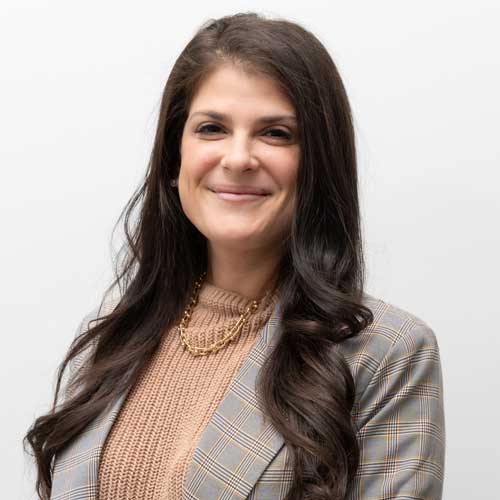
Alexis earned both a B.S. in Psychology and a B.S. in Family and Child Sciences from Florida State University and an M.A. in Marriage and Family Therapy from the University of San Diego. She holds licenses in Marriage and Family Therapy in Florida, Connecticut, and Massachusetts and is also a member of the American Association for Marriage and Family Therapy (AAMFT).
Alexis works with families, couples, children, and groups and also has a sub-specialty in addiction and recovery. She utilizes an integrated, systemic approach to counseling; empowering people to define what is not working for them in their lives and to discover the possibilities for making life work. In doing this, clients are guided towards identifying their strengths, accessing their resources, tapping into their potential for success, and taking action toward achieving their desired goals.
Alexis also has extensive experience in the administration of behavioral health organizations. She has developed, built, and supervised several facilities encompassing all levels of care while leading them through state licensing and The Joint Commission accreditation process.