Author Archives: Alexis Ecoff

About Alexis Ecoff

Alexis earned both a B.S. in Psychology and a B.S. in Family and Child Sciences from Florida State University and an M.A. in Marriage and Family Therapy from the University of San Diego. She holds licenses in Marriage and Family Therapy in Florida, Connecticut, and Massachusetts and is also a member of the American Association for Marriage and Family Therapy (AAMFT). Alexis works with families, couples, children, and groups and also has a sub-specialty in addiction and recovery. She utilizes an integrated, systemic approach to counseling; empowering people to define what is not working for them in their lives and to discover the possibilities for making life work. In doing this, clients are guided towards identifying their strengths, accessing their resources, tapping into their potential for success, and taking action toward achieving their desired goals. Alexis also has extensive experience in the administration of behavioral health organizations. She has developed, built, and supervised several facilities encompassing all levels of care while leading them through state licensing and The Joint Commission accreditation process.

Navigating A Safe Drug Rehab in Albany - The Intersection of LGBTQ+ Identity and Substance Abuse

Navigating A Safe Drug Rehab in Albany – The Intersection of LGBTQ+ Identity and Substance Abuse

This entry was posted in Drug Rehab on by .

When you require a safe drug rehab in Albany that understands the unique challenges faced by LGBTQ+ individuals, you need Berkshire Mountain Health. With higher rates of substance use within the LGBTQ+ community, often driven by discrimination, mental health issues, and societal pressures, the path to recovery demands a space that’s affirming, inclusive, and tailored.

At Berkshire Mountain Health, we make it our mission to create a space where individuals can begin their recovery journey supported by professionals who recognize and address the nuances of LGBTQ+ care. If that’s the kind of care you’ve been hoping for, we encourage you to connect with our supportive team today.

The Need For a Safe Drug Rehab in Albany: Why LGBTQ+ Individuals Face Higher Substance Use Rates

For LGBTQ+ individuals (Lesbian, Gay, Bisexual, Transgender, and Queer or Questioning), living in a world that’s not always accepting can add layers of stress that often fuel substance use.[1] It’s a reality shaped by stigma and discrimination, where, too often, drug and alcohol use becomes a way to manage or even escape from these pressures.

Studies show that LGBTQ+ individuals are at a higher risk of developing substance use disorders than their heterosexual peers, underscoring the need for addiction treatment that understands and addresses these specific factors. The unique barriers that contribute to higher rates of substance use in the LGBTQ+ community include:

Discrimination and Stigma

In workplaces, families, and even healthcare settings, LGBTQ+ individuals may face negative biases that affect their mental health and, subsequently, their substance use. Living with these pressures often brings up feelings of isolation and rejection.

Mental Health Disorders

Co-occurring conditions such as depression, anxiety, and PTSD are common among LGBTQ+ individuals. These conditions not only contribute to substance use but often require integrated care to address both mental health and addiction effectively.

Barriers to Culturally Competent Care

Not all treatment programs are equipped to provide the nuanced care that LGBTQ+ individuals need. A lack of understanding and potential biases can create an unwelcoming environment that may prevent individuals from seeking or sticking with treatment.

What Does Safe, LGBTQ+-Affirming Treatment Look Like?

When LGBTQ+ individuals enter addiction treatment, it’s crucial for them to feel comfortable, respected, and understood. At Berkshire Mountain Health, our approach to safe drug rehab in Albany is to build a welcoming environment where LGBTQ+ individuals can receive culturally competent care designed with an understanding of the challenges they face. Here’s how we create that environment:

Inclusive Therapy Modalities

We prioritize therapy approaches that recognize and affirm LGBTQ+ identities. Our individual and group therapy sessions are spaces where LGBTQ+ clients can openly explore their experiences, knowing they are supported and respected.

Specialized Group Support with A Safe Drug Rehab in Albany

Our safe drug rehab in Albany offers group sessions where LGBTQ+ individuals can connect with others who share similar life experiences. This support reduces feelings of isolation and promotes community, which is essential to maintaining motivation and focusing on recovery.

Integrated Care for Co-occurring Disorders

Mental health disorders are often intertwined with substance use, especially in the LGBTQ+ community. Berkshire Mountain Health offers integrated mental health and addiction treatment options. We improve the chances of sustained recovery and mental well-being by addressing both aspects.

Addressing Substance Use Patterns in the LGBTQ+ Community

Within the LGBTQ+ community, certain substances are used more frequently than others, and this usage often reflects the social settings or challenges that LGBTQ+ individuals manage.

Recognizing these patterns allows us to provide addiction treatment that goes beyond addressing physical dependence to helping clients understand and work through their underlying motivations. Here are some of the most commonly used substances in the LGBTQ+ community:

Alcohol and Tobacco

Frequently seen in LGBTQ+ social spaces, these substances can become tools for self-medication or social comfort. Our treatment centers focus on teaching new, healthier ways to manage stress and socialize.

Marijuana and Stimulants

Marijuana use is often tied to stress relief, while stimulants may be used for energy or mood elevation.[2] We help our clients identify alternative ways to manage these needs, building resilience without reliance on substances.

Prescription Medications

LGBTQ+ individuals are at a higher risk of misusing prescription drugs. They end up using as a way to self-manage untreated mental health conditions. At our rehab centers, we focus on supervised detox and medically assisted treatment options to ensure safe recovery from prescription medication misuse.

A Safe Drug Rehab in Albany and Its Tailored Approach to Lasting Recovery

Recovery is a different walk for everyone—especially in the LGBTQ+ community. Our safe drug rehab in Albany is designed to provide treatment that acknowledges each individual’s specific experiences and mental health needs.

We take a personalized approach with our care plans, which aids us in guiding our clients in creating a foundation for sustained recovery. Here’s what our LGBTQ+-affirming treatment approach looks like:

Medication-Assisted Treatment (MAT)

MAT can help manage withdrawal symptoms and reduce cravings, offering physical relief so clients can focus on their recovery. This is particularly effective for treating opioid and alcohol use disorders.

Integrated Mental Health Services at A Safe Drug Rehab in Albany

For many LGBTQ+ individuals, addiction and mental health issues go hand-in-hand. We provide tailored mental health support alongside addiction treatment, helping clients address all aspects of their well-being.

Aftercare and Ongoing Support

Recovery doesn’t end when treatment does. Our aftercare services help LGBTQ+ clients transition back into everyday life. We are equipped with the skills and support they need to maintain their sobriety. We assist with finding local LGBTQ+-affirming support groups, therapists, and other resources to keep clients connected and supported long after they leave our care.

Choosing a Safe Drug Rehab in Albany: Why LGBTQ+-Specific Care Matters

Seeking help for substance use is a big decision. And even more, choosing a treatment center that respects and supports LGBTQ+ identities makes a difference. At Berkshire Mountain Health, recovery is most effective when clients feel seen, safe, and validated.

Our safe drug rehab in Albany is designed to offer a supportive, affirming environment. LGBTQ+ individuals can begin their journey to recovery without the added weight of societal judgment or misunderstanding.

Turn to the caring team at Berkshire Mountain Health for a safe space to help you recover. We look forward to playing a pivotal role in your recovery journey.

Taking the Next Step with A Safe Drug Rehab in Albany

If you or someone you know is searching for a safe drug rehab in Albany that provides culturally competent and LGBTQ+-affirming addiction treatment, Berkshire Mountain Health is here to help.

Our team is committed to providing an inclusive, supportive recovery experience tailored to meet the needs of LGBTQ+ individuals. To learn more about our treatment options, connect with us today and start your journey toward a healthier, substance-free life. Rediscover hope in an environment that respects and celebrates who you are.


Sources:

[1] https://nida.nih.gov/research-topics/lgbtqi-people-and-substance-use

[2] https://pmc.ncbi.nlm.nih.gov/articles/PMC3288601/
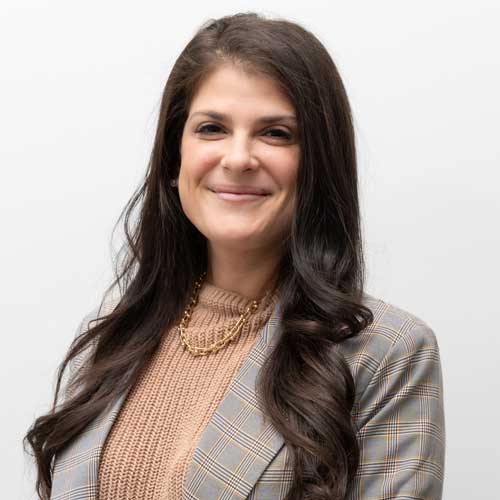
How Dual Diagnosis Treatment in Massachusetts Addresses the Impact of Trauma on Addiction

How Dual Diagnosis Treatment in Massachusetts Addresses the Impact of Trauma on Addiction

This entry was posted in Dual Diagnosis on by .

If you’ve experienced trauma, you know it doesn’t just fade away with time. Trauma has a way of embedding itself in the body and mind, influencing how we react to life’s challenges and how we cope. When that coping involves substance use, it becomes a cycle that’s tough to break alone.That’s where our dual diagnosis treatment in Massachusetts comes in.

At Berkshire Mountain Health, we offer a unique approach to treating both addiction and underlying mental health conditions, helping clients address trauma at its roots.

Understanding Trauma and Its Connection to Addiction

Trauma impacts people in different ways. For some, it triggers anxiety, depression, or PTSD, while for others, it leads to difficulties with trust or intense emotional responses.

For many, substance use becomes a way to manage the pain or anxiety that trauma leaves behind. But this form of self-medicating doesn’t resolve the traumatic event—it often reinforces it.

Addiction and trauma are often linked in a complex relationship. Trauma disrupts the brain’s response to stress, creating a heightened state of alert or, in some cases, emotional numbness.

Substances like alcohol or drugs can provide temporary relief from these symptoms, but they quickly form a cycle of dependency. This dependency can evolve into a dual diagnosis, where a person faces both a substance use disorder and a mental illness, often rooted in unaddressed trauma.

The Role of Dual Diagnosis Treatment in Massachusetts

At Berkshire Mountain Recovery, we approach trauma and addiction treatment together at our dual diagnosis treatment in Massachusetts. This means treating both substance use and a mental health disorder simultaneously, as each condition influences the other. Our outpatient services, accessible for those in Massachusetts, focus on personalized plans that address each client’s unique needs.

Our dual diagnosis treatment in Massachusetts includes trauma-informed care, an approach that recognizes the impact of trauma on behavior and mental health. This approach means working with our clients in a way that acknowledges and respects their experiences.

Trauma-informed care is built around safety, trust, and empowerment, creating an environment where clients feel supported and understood. This foundation allows for more profound healing and a more effective path to recovery.

Key Therapies in Dual Diagnosis Treatment

Our treatment plans offer a range of therapies specifically designed to help clients process various types of trauma and manage addiction. Here’s how some of these therapies support recovery:

Cognitive Behavior Therapy (CBT)

CBT is an essential tool in our approach. By helping clients recognize and shift negative thought patterns, CBT works to reduce the emotional triggers that often lead to substance use.[1]

For those who’ve experienced trauma, CBT offers a structured way to break down and reframe harmful thoughts, replacing them with constructive strategies for managing stress.

Eye Movement Desensitization and Reprocessing (EMDR)

EMDR is particularly effective for trauma-related conditions. Through guided sessions, clients can process traumatic memories without reliving the emotional intensity.

EMDR’s goal is to make that traumatic experience less overwhelming, allowing clients to move past the associated memories. This is an evidence-based method that helps reduce the power trauma holds over the mind, allowing for progress in addiction recovery.

Dialectical Behavior Therapy (DBT)

DBT combines cognitive techniques with mindfulness practices, helping clients regulate emotions and reduce impulsive behaviors. Behavioral therapies are beneficial for clients who may have turned to substances to manage intense feelings.[2]

DBT offers tools for managing these emotions without relying on substances. The endgame of this approach sees patients enjoying a more balanced state of mind because, for many people suffering from a mental health disorder, there is a notable lack of balance in their lives. DBT aims to resolve this by giving the patient the clarity and direction they need to succeed.

Group Therapy During Dual Diagnosis Treatment in Massachusetts

In our outpatient program, group therapy provides a supportive environment for clients to connect with others who understand their experiences. It’s a safe space to share struggles and successes and learn from the insights of others on similar journeys. Group therapy helps reduce feelings of isolation and builds a network of support—a critical element for long-term recovery.

Relapse Prevention Planning During Dual Diagnosis Treatment in Massachusetts

Preventing relapse is a crucial part of recovery, especially for those dealing with childhood trauma and other types of trauma. Our mental health treatment team works with clients to identify potential triggers and develop a plan for handling them. This proactive approach equips clients with the tools they need to maintain their progress, even when facing daily challenges.

Why Trauma-Informed Care Matters

Trauma-informed care isn’t about diving into trauma without preparation. Instead, it’s about building a foundation of trust and understanding. This approach creates a safer environment for clients to process their experiences at their own pace without feeling overwhelmed.

For someone who’s used substances to cope with trauma, this supportive environment allows them to face their past in a healthier, more manageable way.

We understand that each person’s experience with trauma is unique, and our treatment approach reflects that. With trauma-informed care, our clients feel respected and understood, which makes a real difference in their engagement with treatment and their overall progress.

Tailoring Treatment to Fit Your Life

At Berkshire Mountain Recovery, we know recovery is most effective when it’s flexible and accessible. Our outpatient model allows clients to participate in treatment while still managing work, family, or personal obligations. This model helps bridge the gap between treatment and everyday life, making it easier for clients to apply what they learn in real-world situations.

We also recognize the importance of treating the whole person. Trauma and addiction affect every aspect of life—mental, physical, and emotional. Our treatment plans incorporate this understanding by focusing on overall well-being, not just symptom management. From counseling sessions to wellness practices, we aim to support clients on every level.

Moving Toward Lasting Recovery

Our dual diagnosis treatment center provides a path to more profound healing, one that acknowledges the scope of trauma and addiction. At Berkshire Mountain Recovery, our approach combines evidence-based therapies with compassionate care, creating an environment where clients can address their past, focus on the present, and plan for a healthier future.

If you or a loved one is ready to start the journey to treatment and recovery, we’re here to help. Berkshire Mountain Recovery is dedicated to providing trauma-informed, dual-diagnosis rehab in Greenwich that truly supports every step of the healing process. Contact us today to learn more about our outpatient treatment programs and take the next step toward recovery.


Sources:

[1] https://www.ncbi.nlm.nih.gov/books/NBK279297/

[2] https://pmc.ncbi.nlm.nih.gov/articles/PMC2963469/

Lessons with A Drug Rehab in Albany: Understanding Why Relapse Happens and How to Overcome It

Lessons with A Drug Rehab in Albany: Understanding Why Relapse Happens and How to Overcome It

This entry was posted in Drug Rehab on by .

Relapse can feel discouraging, but it’s essential to know that it’s a common part of recovery from addiction. You might think of it as a detour, not a dead end. The path to long-term sobriety isn’t always straight, and setbacks like relapse can offer valuable insights into what strategies need to be refined. So, why does relapse happen, and how can you overcome it? Let’s discuss these questions with a drug rehab in Albany.

Why Relapse Happens

Relapse is more than a moment of weakness—it’s often a response to unresolved challenges that surface during recovery. Addiction rewires your brain, and even after treatment, things like stress, emotional triggers, or specific environments can lead to cravings. These are your body’s conditioned responses, but the good news is they can be managed.

Stress is a significant factor. Everyday life doesn’t stop when recovery starts; without effective coping strategies, stress can push someone toward old habits. Likewise, exposure to triggers—people, places, or situations tied to past substance use—can stir up intense cravings.

Then there are the mental health challenges, such as anxiety or depression, that might not be fully addressed during initial treatment. This is why relapse happens, and it’s why ongoing support is so important when dealing with a substance use disorder.

A New Approach to Relapse

The first step in overcoming relapse is understanding that it doesn’t erase all your progress. At our drug rehab in Albany, we encourage our clients to view relapse as an opportunity to reassess and strengthen their recovery strategies. Here are a few practical ways to move forward after a relapse:

Reach Out for Help Immediately

Whether it’s a therapist, a friend, or a support group, reaching out right away can prevent a minor setback from turning into a more significant issue. Talking through what happened helps you identify the root causes, and in most cases, simply having support makes all the difference.

Identify Your Triggers

Was it a specific event or stressor that caused the relapse? A trigger for relapse can be anything from stressful situations to certain people or places. Once identified, you can work with your treatment team to create a plan for managing or avoiding them in the future.

Revisit Your Relapse Prevention Plan with Our Drug Rehab in Albany

If you’ve already created a relapse prevention plan, now’s the time to update it. This plan should include strategies for managing stress, a list of supportive people you can call, and specific steps to take when cravings arise.[1]

Consider Medication-Assisted Treatment (MAT) During Drug Rehab in Albany

MAT can be an effective tool in managing cravings and preventing future relapse. At Berkshire Mountain Health, we integrate MAT with cognitive behavioral therapy and other forms of treatment to provide a comprehensive approach to recovery.[2]

Removing the Shame Around Relapse

It’s important to remove the stigma that often surrounds relapse. Feeling shame or guilt after a relapse only serves to isolate you from the support you need. Instead of looking at relapse as a failure, try viewing it as part of the learning process.

Recovery is a lifelong journey; setbacks are a chance to strengthen your resolve and update your coping skills. At our addiction treatment center in Albany, we help clients shift their perspective on relapse.

Instead of focusing on what went wrong, we encourage focusing on what you can do differently next time. Remember, relapse doesn’t mean you have to start over from scratch—it’s an opportunity to build upon the progress you’ve already made.

How to Get Back on Track After Relapse

Getting back on track after a relapse involves a combination of renewed commitment and practical steps. It’s not about rushing back into recovery but about taking thoughtful, deliberate actions that reinforce your sobriety.

Strengthen Your Support Network

Leaning on your support network is essential. This could include joining new support groups, increasing the frequency of therapy sessions, or simply staying connected with those who understand what you’re going through.

Recommit to Self-Care

Sometimes, relapse is a sign that self-care has slipped off your radar. Things like getting enough sleep, eating nutritious meals, and exercising regularly help your body recover, both physically and mentally. These simple actions build resilience against future challenges.

Stay Mindful

Mindfulness-based practices help you stay present and manage difficult emotions or cravings. One simple practice is to take a few minutes each day to check in with yourself and acknowledge how you feel without judgment.

A Comprehensive Approach to Relapse Prevention with A Drug Rehab in Albany

At Berkshire Mountain Health, our relapse prevention approach goes beyond detox and immediate recovery. We help our clients build a full toolkit to handle the challenges of everyday life post-treatment.

A relapse prevention plan is one of the most effective tools in maintaining sobriety. It includes strategies like avoiding high-risk situations, developing healthy coping mechanisms, and setting realistic, actionable goals. This plan is customized for each individual and regularly updated based on their progress and challenges.

We also incorporate cognitive behavioral therapy (CBT) into our programs. CBT is especially helpful in addressing negative thought patterns that might lead to relapse. Focusing on how thoughts influence behaviors allows individuals to recognize and change the thought patterns that contribute to cravings and substance use.

Support Is Available—Call Our Drug Rehab in Albany Today

Relapse doesn’t mean the end of your recovery—it’s a part of it. Each person’s journey is unique, and setbacks are an opportunity to reassess and strengthen your approach to sobriety. If you’ve experienced a relapse, the most important thing is to seek help and move forward with the lessons you’ve learned.

At Berkshire Mountain Health, we’re here to support you at every stage of recovery. Our drug rehab in Albany offers comprehensive addiction services designed to address your physical, emotional, and mental health needs. Whether it’s through individual therapy, group sessions, or a customized aftercare plan, we’ll help you build a stronger, more resilient recovery.

Take the next step today. Reach out to Berkshire Mountain Health to learn more about how we can help you navigate recovery and prevent relapse.


Sources:

[1]https://www.ncbi.nlm.nih.gov/books/NBK551500/

[2] https://nida.nih.gov/publications/drugs-brains-behavior-science-addiction/treatment-recovery

Addiction Treatment in Albany: Coping with Seasonal Affective Disorder (SAD) in Recovery

Addiction Treatment in Albany: Coping with Seasonal Affective Disorder (SAD) in Recovery

This entry was posted in Addiction Treatment on by .

Seasonal Affective Disorder (SAD) is more than just the “winter blues.” For many, it’s a type of depression that sets in during the colder months when sunlight is scarce. If you’re currently in the midst of recovery from addiction, you’ve already got a lot on your plate. Dealing with SAD at the same time can be an even more significant challenge when undergoing addiction treatment in Albany.

The good news is that there are ways to manage both. Be sure to connect with our addiction treatment in Albany at Berkshire Mountain Health to ensure you get the help and support you need. In the meantime, let’s explore what SAD is and how it can affect your recovery. We’ll also share some practical strategies to help you through the winter months.

What Is Seasonal Affective Disorder?

Seasonal Affective Disorder is a form of depression that tends to emerge in the fall or winter—when daylight hours get shorter.[1] Symptoms of SAD often overlap with other forms of depression: fatigue, difficulty concentrating, changes in sleep patterns, and withdrawal from social activities.

You might also notice increased cravings for carbohydrates, which can lead to weight gain and fluctuations in energy. The root cause of SAD is linked to reduced sunlight, which affects your body’s production of serotonin and melatonin—two essential chemicals that regulate mood and sleep.

For people in addiction recovery, this dip in mood and energy can make it harder to stay on track, especially if those depressive feelings lead to cravings or temptations to self-medicate.

How SAD Impacts Addiction Recovery and Treatment in Albany

Managing substance use disorders (SUDs) already requires effort and focus. When you add SAD into the equation, it can feel like an extra hurdle. Why? SAD can disrupt the very routines that help you maintain your recovery.

Feeling low, tired, or unmotivated can interfere with attending therapy, connecting with your support network, or engaging in activities that keep you grounded.

It’s also important to remember that addiction and mental health issues often go hand-in-hand. Many people with SUD have used substances as a way to cope with depression, anxiety, or other mood disorders. When symptoms of SAD creep in, it can be tempting to return to old habits for relief.

Coping Strategies for Managing SAD in Recovery

You’re not powerless in this situation. While SAD might present some challenges, there are effective ways to manage the symptoms and stay focused on your recovery. Here’s how you can get through the winter months with greater ease.

Increase Your Light Exposure

One of the main reasons people with SAD feel it so hard in the winter is because they’re not getting enough sunlight. Without sufficient exposure to natural light, your serotonin levels can drop, affecting your mood.

To combat this, try to get outside during daylight hours as much as possible—even if it’s just for a brief walk. Exposure to natural light can boost serotonin production and improve your overall outlook.

Light therapy might be worth considering if natural sunlight isn’t an option. Light therapy boxes mimic sunlight and can help reset your body’s internal clock, improving mood and energy levels. Just a session in the morning can make a big difference in how you feel throughout the day.

Stick to a Routine

When you’re dealing with SAD, it’s easy to let your day-to-day routine slip. You might find it harder to get out of bed or lose interest in activities that once brought you joy. However, maintaining a steady routine is crucial in both recovery and managing SAD.

Prioritize regular sleep patterns, a balanced diet, and physical activity. Sticking to a schedule can provide structure and help you avoid slipping into unhealthy habits.

Try setting small, achievable goals for each day, such as going to bed and waking up at the same time or committing to 15 minutes of exercise.

Stay Connected

Isolation can make SAD feel even worse. When you withdraw from your support system, you miss out on the emotional and social connections that help keep you grounded in your recovery. Even if it feels like a struggle, you must make every effort to stay connected with friends, family, or your support group.

Regular check-ins—whether in person, by phone, or online—can help you stay accountable and remind you that you’re not alone. They might seem small, but they can have a substantial impact on your well-being.

Focus on Nutrition and Exercise

SAD can bring on cravings for high-carb comfort foods, but it’s important to remember that what you eat affects how you feel. Focus on foods that nourish both your body and your mind. Meals rich in lean proteins, vegetables, and healthy fats can help stabilize your mood and give you the energy you need to tackle the day.

Exercise is another critical piece of the puzzle. Physical activity boosts the production of endorphins, which naturally enhance your mood.[2] You don’t need to commit to an intense workout—something as simple as a daily walk or a gentle yoga session can benefit significantly.

Practice Mindfulness and Self-Care

Recovery isn’t just about avoiding substances; it’s about building a life that supports your overall well-being. That’s why mindfulness and self-care are so important.

Mindfulness exercises, such as deep breathing, meditation, or journaling, can help you manage stress and stay focused on the present moment. When you’re feeling overwhelmed by symptoms of SAD, mindfulness can be a great way to center yourself and regain control.

Self-care also means making time for activities that bring you joy or help you relax. Nurturing these aspects of your life can help counterbalance the effects of SAD, whether it’s reading, painting, or spending time with loved ones.

When to Seek Help Through Addiction Treatment in Albany

If SAD symptoms are becoming too difficult to manage on your own, it’s essential to reach out for help. Sometimes, managing SAD requires more than lifestyle changes. Talk to a healthcare professional about other options, like counseling or medication that may help alleviate your symptoms.

Cognitive-behavioral therapy (CBT) is particularly effective in treating SAD and helping people manage the negative thoughts and behaviors associated with depression.

And if you feel like SAD is jeopardizing your recovery, don’t hesitate to reach out to your addiction treatment team. At Berkshire Mountain Health, we understand that recovery is a lifelong journey; sometimes, that journey comes with additional obstacles like SAD. Our team is here to help you develop a personalized plan that addresses your mental health and keeps you on track.

Don’t Face Seasonal Depression Alone—Join Our Addiction Treatment in Albany

Remember, you don’t have to face this alone—support is available for people with addictions, whether through loved ones, professional help, or treatment centers. At Berkshire Mountain Health, our addiction treatment in Albany is here to support you through every season of recovery.

If you’re struggling with addiction and mental health challenges like SAD, contact us today at (413) 259-0341 to learn how we can help you take the next step forward.


Sources:

[1] https://www.nimh.nih.gov/health/publications/seasonal-affective-disorder

[2] https://www.ncbi.nlm.nih.gov/pmc/articles/PMC9902068/

The Role of Stress in Addiction: Why Managing Mental Health Is Crucial

The Role of Stress in Addiction: Why Managing Mental Health Is Crucial

This entry was posted in Dual Diagnosis on by .

Stress is a part of life, but when it becomes chronic, it can have serious consequences—especially when it comes to addiction. At Berkshire Mountain Health, we’ve seen how stress and addiction often go hand in hand.

Stress not only makes life more complicated, but it can also trigger substance use and fuel the cycle of addiction. With that in mind, let’s explore how stress contributes to addiction and why managing mental health is essential for recovery. We’ll also review some practical tips to cope with stress in healthy, constructive ways.

The Link Between Stress and Addiction

It’s no secret that people often turn to drugs or alcohol as a way to cope with stress. Whether it’s a bad day at work, relationship issues, or financial struggles, stress creates tension in the body and mind that can be hard to escape.

For some, using substances like alcohol or drugs feels like an easy way to numb those feelings. Unfortunately, this creates a dangerous cycle where stress leads to substance use, and substance use leads to more stress.

Chronic stress is especially problematic because it keeps the body in a constant state of fight-or-flight. This stress response floods the body with cortisol and other stress hormones, leading to a range of physical symptoms like headaches, muscle tension, and trouble sleeping.[1]

Mentally, stress can cause anxiety, irritability, and difficulty focusing—all of which make it harder to resist the urge to use substances. For many people, stress is a key factor in both the development of addiction and relapse after treatment. That’s why managing stress and mental health is a critical part of recovery.

How Chronic Stress Contributes to Substance Use Disorders

Chronic stress doesn’t just affect your mood—it changes how your brain works. When you’re constantly under stress, your brain starts looking for ways to find relief, and for some, that relief comes in the form of drugs or alcohol. This is where stress and addiction become closely intertwined.

Stress can alter brain chemistry, making it harder to manage emotions and increasing the risk of turning to substances as a coping mechanism. Over time, this behavior becomes habitual, leading to the development of a substance use disorder.

The more stressed you are, the more likely you are to rely on substances to cope. This cycle makes it difficult to break free from addiction without addressing the root cause: stress.

Early life trauma, such as neglect or abuse, can make a person more vulnerable to stress and addiction later in life. These experiences can increase sensitivity to stress and make it harder to cope in healthy ways.

At Berkshire Mountain Health, we’ve seen how unresolved trauma and chronic stress often play a role in substance abuse, which is why we focus on treating the whole person—both the mind and body—during recovery.

The Importance of Managing Mental Health in Recovery

Addressing mental health is essential when treating addiction. At Berkshire Mountain Health, we believe that true recovery requires more than just detoxing from substances. You need to heal emotionally and mentally to stay on track with your sobriety. If the underlying stress and mental health issues aren’t addressed, it’s easy to fall back into old habits.[2]

Mental health treatment during recovery helps you identify the triggers that lead to stress and substance use. By working with a therapist, you can learn healthy coping mechanisms to manage stress, whether it’s through mindfulness techniques, therapy, or lifestyle changes.

This doesn’t mean you’ll eliminate stress from your life entirely, but it does mean you’ll be better equipped to handle it without turning to drugs or alcohol.

Healthy Ways to Manage Stress

Supporting your recovery depends on your ability to manage stress in sensible ways. At Berkshire Mountain Health, we suggest several practical techniques. Mindfulness and meditation help you be present and relaxed, lowering stress and enhancing mental clarity.

Moreover, regular exercise generates endorphins that naturally help reduce stress. Creating a support network from friends, relatives, or support organizations grounds one emotionally amid trying circumstances. Your stress reaction can be better controlled by prioritizing sleep and following a regular schedule.

Lastly, cutting sugar and caffeine helps you maintain steady energy levels, enabling better stress management throughout the day. These few adjustments can greatly improve your general state of health.

Stress and Addiction: Why Addressing Both Is Essential

If you’re struggling with both stress and addiction, it’s important to understand that these two issues often feed into each other. At Berkshire Mountain Health, we focus on treating the whole person, addressing not just the addiction but also the underlying stress and mental health issues that contribute to it.

Our treatment programs are designed to help you build healthier coping mechanisms and develop strategies to manage stress without turning to substances. By addressing stress, trauma, and mental health as part of your recovery process, you can break the cycle of addiction and build a stronger, more resilient foundation for your future.

Ready to Take the Next Step in Managing Your Stress and Addiction?

Managing stress is crucial to achieving lasting recovery from addiction. At Berkshire Mountain Health, we offer comprehensive treatment programs that address both your addiction and the mental health challenges that often come with it.

If you’re ready to start your journey toward better health, contact us today to learn more about our programs and how we can support you in managing stress and addiction. Take control of your mental health and your recovery—let us help you find the tools you need to live a healthier, more balanced life.


Sources:

[1] https://www.ncbi.nlm.nih.gov/pmc/articles/PMC5579396/

[2] https://www.nimh.nih.gov/health/topics/caring-for-your-mental-health

During Medical Detox in Albany: The Connection Between Good Nutrition and Addiction Recovery

During Medical Detox in Albany: The Connection Between Good Nutrition and Addiction Recovery

This entry was posted in Detox on by .

When you’re going through medical detox in Albany, there’s more to recovery than just detoxing from substances. Good nutrition can be a game-changer in helping your body and mind heal from the damage caused by addiction.

At Berkshire Mountain Health, we understand the importance of fueling your recovery journey with the proper nutrients, helping you feel better physically and mentally.

The Impact of Substance Abuse on Your Body and Eating Habits

Substance abuse takes a severe toll on your body, especially when it comes to nutrition. When focused on using, healthy eating tends to fall by the wayside. Maybe you skip meals altogether or lean on unhealthy, processed foods to get by.

Alcohol, for example, can damage your stomach lining and liver, making it challenging for your body to absorb essential nutrients like B vitamins and folic acid. Drugs like opioids and stimulants can suppress your appetite, leading to a whole range of nutritional deficiencies over time.

Not getting enough nutrients can leave you feeling weak, tired, and mentally foggy.[1] You might experience low energy, muscle loss, or even mood swings—all things that make the recovery process even more difficult. That’s why, during medical detox, restoring your body’s nutritional balance is essential to help you get back on track.

How Healthy Nutrition Supports Recovery

Now that we’ve covered the toll addiction can take on your body, let’s talk about how nutrition can help you heal. At Berkshire Mountain Health, we’ve seen how proper nutrition can make a big difference in recovery.

When your body gets the nutrients it needs, you’re physically stronger, mentally sharper, more balanced, and better equipped to handle cravings and emotional challenges.

Boosting Your Immune System

Substance abuse can weaken one’s immune system, leaving one more vulnerable to illness. Eating a balanced diet rich in vitamins and minerals, like vitamin C from fruits or zinc from lean proteins, can help rebuild one’s immune defenses.

These nutrients repair your cells and tissues, helping you recover more quickly and stay healthier during your recovery journey.

Managing Cravings and Stabilizing Mood

Nutrition also plays a crucial role in managing cravings and stabilizing your mood. When your blood sugar is balanced by consuming complex carbohydrates like whole grains and fiber-rich vegetables, you’re less likely to experience energy crashes and mood swings.

Protein-packed meals help regulate dopamine, a neurotransmitter linked to pleasure, which can reduce the intensity of cravings.

Improving Brain Health

Omega-3 fatty acids in fish, flaxseeds, and walnuts are crucial for brain health.[2] These healthy fats support cognitive function and help reduce inflammation in the brain, making it easier to focus and manage stress during recovery.

When you incorporate healthy, nutrient-rich foods into your daily routine, you’re laying the foundation for long-term recovery. At Berkshire Mountain Health, we believe that proper nutrition is one of the most effective tools for regaining control over your life.

With the right balance of vitamins, minerals, and whole foods, you can rebuild your strength, improve your mental clarity, and give yourself the best chance for lasting success. Nutrition is a powerful ally in your recovery journey, and we fully support it at every step.

Regaining Control of Your Nutrition During Recovery

Taking control of your nutrition might initially feel overwhelming, especially if you’ve spent a long time neglecting it. But the good news is, you don’t have to do it alone. At Berkshire Mountain Health, we work with you to develop personalized nutritional plans that fit your needs and help support your recovery.

Healthy eating habits are vital in managing cravings, keeping your energy up, and maintaining emotional stability. Including various nutrient-rich foods in your diet can help you feel more in control and less prone to the ups and downs that often come with detox and early recovery.

If you’re also dealing with an eating disorder or disordered eating patterns, it’s even more critical to address those issues during recovery. Our team can help you confront this with a comprehensive treatment plan that takes both your addiction and any co-occurring disorders into account.

This might include working with a nutritionist to create a meal plan that supports your recovery and helps you build a healthier relationship with food.

Nutrition as Part of Holistic Treatment

At Berkshire Mountain Health, we take a holistic approach to addiction recovery; nutrition is a big part of that. We don’t just focus on detoxing your body from drugs or alcohol; we look at the whole picture. By incorporating proper nutrition into your treatment, we help you address the root causes of your addiction while also giving your body what it needs to heal.

Healthy eating is about more than just avoiding junk food. It’s about ensuring your body has the vitamins, minerals, and other nutrients to function at its best. Recovery means paying attention to blood sugar levels, nutrient deficiencies, and hydration. Staying adequately hydrated is vital in flushing out toxins and supporting your body’s recovery process.

Nutrition Matters in Recovery and Medical Detox in Albany

Your body needs all the help it can get when it comes to recovery. Good nutrition is a powerful tool that can help you heal from the inside out, giving you the energy and mental clarity to focus on your recovery goals.

At Berkshire Mountain Health, we support you every step of the way, from medical detox in Albany to helping you develop healthy eating habits that last long after you leave our facility.

If you’re ready to take control of your health and start your recovery journey with us, contact Berkshire Mountain Health today. We’ll work with you to create a personalized plan that addresses your addiction and nutritional needs, setting you up for long-term success. Let us help you get the fresh start you deserve—starting with the proper nutrition.


Sources:

[1] https://www.ncbi.nlm.nih.gov/pmc/articles/PMC9710417/

[2] https://www.ncbi.nlm.nih.gov/pmc/articles/PMC2805706/

Drug Rehab in Berkshire: Explaining the Impact of Drug Addiction on Mental Health

Drug Rehab in Berkshire: Explaining the Impact of Drug Addiction on Mental Health

This entry was posted in Drug Rehab on by .

Often closely entwined, drug addiction and mental health problems create a difficult and demanding scenario for those seeking recovery. At Berkshire Mountain Health, our approach to drug rehab in Berkshire addresses both addiction and mental health, recognizing that a comprehensive treatment plan must consider the full spectrum of a person’s well-being.

Here, we explore how drug addiction affects mental health and why a successful recovery depends on addressing both problems concurrently.

The Connection Between Drug Addiction and Mental Health

Often coexisting with one other, drug addiction and mental health issues each influence and aggravate the other. Disorders including depression, anxiety, and PTSD can be triggered or aggravated by substance use disorders.

On the other hand, those dealing with mental health problems might turn to drugs as a kind of self-medication, which ultimately leads to addiction. To get long-lasting healing from both disorders, this bidirectional relationship makes treatment of both important.

Drug Addiction Affects Mental Health

Drug addiction profoundly and in many different ways influences mental health. Substance abuse changes brain chemistry, therefore influencing sectors of mood, cognition, and behavior. These changes over time might cause mental health issues resulting from and a contributing cause to ongoing drug use.

Depression and Anxiety

Regular drug use can cause notable alterations in the reward system of the brain, therefore lowering the natural synthesis of dopamine and serotonin — neurotransmitters controlling mood.1

This frequently causes extreme anxiety and despair, which makes it challenging for people to find pleasure or comfort other than via drugs. Furthermore, aggravating these disorders might be the stress of addiction, including job loss or interpersonal distress.

Trauma and PTSD

Many people who have experienced trauma use drugs as a coping mechanism. Sadly, drug addiction frequently aggravates PTSD symptoms, including hyperarousal, nightmares, and flashbacks.

This starts a vicious cycle when the person utilizes medications to escape the symptoms, only to discover that their trauma gets more challenging to control.

Bipolar Disorder and Mood Swings

Drug use generally aggravates bipolar disorder, a condition marked by severe mood swings between mania and sadness.

Without thorough therapy, substance use can cause manic episodes or intensify depressed states, therefore making it very hard for people to maintain their mood.

Personality Disorders

Drug addiction can aggravate symptoms like impulsivity, emotional instability, and interpersonal conflict for persons with personality disorders. Recovering from drug misuse is a difficult procedure as the disorderly character of these diseases frequently reflects and aggravates the behavioral patterns connected with them.

The Importance of Comprehensive Treatment

Treatment should be approached holistically, considering the close relationship between drug addiction and mental health problems.

At our drug rehab in Berkshire Mountain Health, we provide a variety of programs meant to handle the psychological as well as the physical facets of addiction.

Together, our medical staff and mental health experts design customized treatment regimens that consider every patient’s particular needs.

Inpatient Treatment and Medical Detox

Often, the first phase in recovery is inpatient treatment and medical detox, in which patients are attentively watched while their bodies eliminate the drug from their systems.

This procedure depends on safely managing withdrawal symptoms and providing a solid basis for later therapy. By allowing patients to get around-the-clock treatment, inpatient treatment ensures that their physical and psychological requirements are addressed during this crucial moment.

Individual Therapy

One-on-one therapy sessions give patients a secure environment in which to investigate the underlying reasons for their mental health illnesses and addiction. Dealing with these underlying problems helps people start to create better coping mechanisms and approaches for controlling their mental health without turning to drugs.

Participating in group therapy and support groups like NA meetings gives people the opportunity to interact with others experiencing similar difficulties.

For long-term healing, community and support—which these settings offer—are absolutely essential. By sharing experiences and learning from others, people might feel less alone and more empowered to stay on their path to recovery.

Family Programs

One cannot stress the critical role family plays in healing. Our family programs let loved ones participate in the treatment process so they can better make sense of the complicated nature of mental health and addiction.

Building a strong support system depends on family members learning the nature of dual diagnosis and how to help their loved one through recovery.

Recovery does not stop after inpatient treatment. Continuous assistance is essential to maintaining sobriety. The tools our aftercare planning services provide to keep patients on track enable them to return to their everyday lives.

This might call for ongoing treatment, support group attendance, or looking into sober living homes.

Why Addressing Both Addiction and Mental Health Is Crucial

Treating drug addiction without attending to underlying mental health issues could result in inadequate recovery and an increased risk of recurrence.2

Untreated mental health problems might cause people to return to drug usage as a means of symptom management. On the other hand, controlling mental health disorders without dealing with addiction opens the path for drug usage to compromise mental stability.

Our approach at Berkshire Mountain Health is based on the knowledge that actual rehabilitation calls for treating the whole person. Simultaneous treatment of mental health problems and addiction helps people lay the foundation for long-term recovery.

Our all-encompassing treatment plans are meant to empower clients to take back their lives and attain long-term well-being by teaching them the necessary skills.

Reach Out to Our Drug Rehab in Berkshire Mountain Health Today

If you or a loved one suffers from drug addiction and mental health problems, you should see a healthcare provider who is aware of the many layers of dual diagnosis.

At Berkshire Mountain Health, we are committed to providing compassionate, expert care that addresses all aspects of addiction and mental health.

Get in touch today to find out more about our offerings and start along the path toward a better, brighter future.


Sources:

[1] https://www.ncbi.nlm.nih.gov/pmc/articles/PMC2950973/

[2] https://www.justice.gov/archive/ndic/pubs7/7343/index.htm

Alcohol Rehab in Berkshire Talks About Planning Alcohol-Free Events and Gatherings

Alcohol Rehab in Berkshire Talks About Planning Alcohol-Free Events and Gatherings

This entry was posted in Alcohol Rehab on by .

Organizing an event after alcohol rehab in Berkshire without alcohol might be difficult, particularly in a society where social events usually center on beverages. With some imagination, you can plan a fun and inclusive gathering free of alcohol to keep the momentum running.

At Berkshire Mountain Health’s alcohol rehab, we appreciate the need to create environments that support mental health and sobriety. Whether your event is a basic get-together, a birthday celebration, or a wedding, these suggestions and strategies will help you organize alcohol-free activities suitable for everyone.

After Alcohol Rehab in Berkshire: Setting the Stage for an Alcohol-Free Event

The first step in planning an alcohol-free event is deciding on the nature of the gathering. Will alcohol be limited, or will it be completely alcohol-free?

Tell your visitors very clearly whether you decide to go entirely alcohol-free. Emphasizing the event’s inclusive character will help ensure that every guest feels supported and free in their decisions.

Being somewhere where alcohol is not the main focus may make a big difference for people recovering from addiction or those who choose not to drink. Consider how your beverage choices, activities, and event design may provide a fun, alcohol-free experience.

Creative Alcohol-Free Beverage Options

Presenting a range of appealing non-alcoholic beverages is one of the most effective ways to ensure guests won’t miss alcohol. The days of having just water, soda, or coffee as choices are long gone. Mocktails and alcohol-free drinks have evolved today into an art form, offering a rich and fun experience free from alcohol.[1]

Think of creating a mocktail bar where patrons can choose from a variety of artistic, non-alcoholic beverages. There are countless choices, from elegant sparkling mocktails to revitalizing fruit punches.

To improve the experience, add fresh herbs, edible flowers, or even a variety of vivid fruits. These elements make the beverages aesthetically pleasing and provide an array of flavors for every pallet.

Activities to Keep Guests Engaged

When alcohol isn’t on the menu, the emphasis naturally moves to the entertainment and activities you offer. Interactive choices help keep visitors interested so that everyone is having fun without feeling compelled to grab a drink.

Think about including games, group projects, or entertainment designed to inspire participation. A dancing class, for instance, might be a pleasant approach to get everyone moving, but a trivia contest can start lively discussions.

Organizing a themed event — such as a 1950s-style soda shop or a garden tea party — can also offer a distinctive and unforgettable experience.

Choosing the Right Venue

The location you choose will significantly affect the mood of your alcohol-free celebration. Choose places that naturally inspire leisure and engagement, such as outdoor areas, community centers, or artistic venues, such as theaters or art studios.

Think of places like bowling lanes, escape rooms, or amusement parks, where the emphasis is naturally on fun rather than drinking. These locations provide an alternative experience that emphasizes the event over alcohol consumption.

If your event is inside, even if you sell alcohol elsewhere, consider designating particular locations where it is not allowed.

Creating a quiet lounge area with non-alcoholic beverages and comfy chairs, for example, may provide non-drinking visitors with somewhere to unwind and enjoy the event free from pressure. This strategy not only honors their decisions but also improves the gathering’s general inclusion.

Handling Alcohol Triggers and Sensitivities

Should you be entertaining visitors in recovery from addiction, it is essential to be aware of their needs and any triggers.[2] Mocktails and non-alcoholic drinks are excellent substitutes, but for some people, these options could still remind them of drinking.

Presenting different drink options — such as gourmet coffee, flavored lemonades, or herbal teas — might be more fitting in some situations. Offering a range of tastes and presentations also helps ensure that these beverages are as tempting and fulfilling as their alcoholic equivalents.

It’s also smart to steer clear of hobbies or games that have a history of involving alcohol. Changing drinking games for board games, quizzes, or other interactive activities can help ensure that everyone feels involved and at ease.

Furthermore, consider providing interesting substitutes like a picture booth or a craft station to keep guests occupied without resorting to alcohol-related entertainment.

Emphasizing Inclusivity and Support

At Berkshire Mountain Health, we are aware that recovering from substance abuse is a lifelong path that needs constant assistance. Organizing an alcohol-free gathering is one approach to show that support — for your community, a loved one, or yourself.

Designing a setting in which every visitor, regardless of their relationship with alcohol, feels accepted and valued can make a significant difference.

The foundation of your event planning should be inclusivity. Ensure that non-drinkers feel as valued and included as those who might typically enjoy a drink. This might mean offering a variety of non-alcoholic beverages that are as thoughtfully prepared as any cocktail or ensuring that activities cater to all guests.

It’s also a good idea to consider personalizing the experience with elements like interactive food stations, personalized drink menus, or even live entertainment fit for the alcohol-free theme of the event. These careful elements may inspire delight and a feeling of community for every person in attendance.

Explore Our Alcohol Rehab at Berkshire Mountain Health Today

Arranging an alcohol-free celebration does not mean you have to sacrifice enjoyment or fun. Regardless of their connection with alcohol, you can design an unforgettable event with some imagination and consideration that everyone will appreciate.

Remember that the emphasis of a small gathering or a big celebration is on connection and shared experiences rather than on what is in the glass.

Should you or someone you know be battling alcohol addiction, Berkshire Mountain Health is here to assist. Our residential treatment facility and addiction support groups in Berkshire, among our extensive addiction treatment options, give the tools and care required for long-term recovery.

To find out more about our alcohol rehab at Berkshire and how we can help you on your road to recovery, get in touch with us right away.


Sources:

[1]https://www.abc.virginia.gov/products/recipes/mocktails#sort=relevancy&numberOfResults=12

[2] https://www.niaaa.nih.gov/publications/cycle-alcohol-addiction

The Role of Family Support in Dual Diagnosis Recovery

The Role of Family Support in Dual Diagnosis Recovery

This entry was posted in Dual Diagnosis on by .

Dual diagnosis is utilized at treatment centers when someone is dealing with both a substance use disorder, like drug or alcohol addiction, and a mental health condition, such as depression or anxiety. It’s a challenging situation, making recovery feel like an uphill battle. But here’s the good news: having a supportive family can make a difference.

At Berkshire Mountain’s dual diagnosis treatment centers in MA, we’re committed to helping you find the answers to successful recovery. Find out more here, or contact us for a personalized conversation.

The Power of Family in Dual Diagnosis Recovery

Family members offer a unique kind of strength during addiction and mental health treatment. They provide a safe haven where their loved one feels genuinely seen and heard. This support is like a warm hug on a cold day, bringing comfort and hope.

Talking openly and honestly is also super important. When families can have honest, open conversations about the struggles of living with a dual diagnosis, trust and safety start to be built. The person in recovery starts to find it easier to open up and ask for help. They can face their challenges head-on.

Families that take the time to learn about mental health and addiction become better equipped to support their loved one’s journey.

This might mean learning about different therapies, like cognitive behavioral therapy (CBT) or dialectical behavior therapy (DBT).1 You might attend family therapy sessions or participate in support groups.

Family Involvement: A Key to Successful Treatment

When families get involved with their loved one’s recovery journey, it can make a difference. They can help their loved one stick to the treatment plan, like a friendly reminder to take meds, head to therapy, or attend a support group. This extra support can keep someone focused and motivated, helping them make real strides.

Families are also like detectives, picking up on little clues that might trigger a relapse. By spotting these triggers early on, they can work with the treatment team to devise a game plan to avoid them.

A good support system is essential for anyone going through recovery, but it’s crucial for those dealing with both addiction and a mental health condition. Families can be that rock-solid support, offering love, a listening ear, and a lot of encouragement.

They can also help their loved one find other sources of support, like group therapy or a community of people who get it. Surrounding yourself with understanding people makes it easier to stay on track and handle the ups and downs of recovery.

Supporting Your Loved One: Practical Tips for Families

We’ve covered why family support is so vital in dual diagnosis recovery. Now, let’s explore practical ways to make a real difference in your loved one’s journey. These tips help create a supportive, nurturing environment that fosters healing and lasting recovery.

Learn About Dual Diagnosis at Addiction Treatment Centers 

Take some time to learn about what your loved one is going through. It’s OK if mental health and addiction seem confusing at first — there are so many resources out there to help you make sense of it all.

Chat with doctors or therapists, read online, or join an online support group. The more you understand, the more you can help.

Get Involved in Family Therapy at Dual Diagnosis Treatment Centers

If your loved one is in treatment, jump into family therapy with both feet. It’s a safe place to talk openly about the hard stuff, learn new ways to communicate, and even start to heal as a family. Think of it as a team effort towards recovery.

Set Healthy Boundaries

It’s essential to be supportive, but it’s equally important to set healthy boundaries. This means not enabling your loved one’s harmful behaviors. It might mean saying no to lending money, giving them a place to stay if they’re using drugs or alcohol, or covering up for their mistakes.

Setting boundaries can be difficult, but it’s crucial to helping your loved one take responsibility for their recovery and protecting you from being drawn into their struggles.

Prioritize Self-Care

Supporting someone with a dual diagnosis can be emotionally draining. When you care for yourself, you’ll likely find it easier to help your loved one.

Ensure you get enough sleep, eat healthy foods, exercise regularly, and do things you enjoy. If you’re feeling overwhelmed, don’t be afraid to ask for help from friends, family, or a therapist.

Communicate Openly and Honestly

Good communication is vital in any relationship, but it’s essential when dealing with addiction and mental health issues. Create a safe space where your loved one feels comfortable discussing their struggles without fear of judgment.

Listen to them without interrupting or offering unsolicited advice. Let them know you’re there for them, no matter what.

Celebrate Their Successes

You’ve probably heard it said that recovery is a journey, not a destination, and it’s true. It’s important to celebrate even small victories along the way.

If your loved one goes to therapy, stays sober for a day, or makes a healthy choice, acknowledge their effort and let them know you’re proud of them. Positive reinforcement is a big help. It can help someone stay motivated and committed to their recovery.

Be Patient and Understanding

Recovery takes time, and there will likely be setbacks along the way. Don’t get discouraged if your loved one relapses or struggles with their mental health.

Remember, dealing with both addiction and a mental health condition is a journey, not a quick fix. It takes time, and there might be bumps along the way. But keep showing your support, encourage your loved ones to get help when needed, and never stop believing in them.

The Berkshire Mountain Health Approach

At Berkshire Mountain Health dual diagnosis treatment centers in MA, we understand that addiction and mental illness affect not only the individual but the entire family.

We ensure the entire family is included in our treatment approach. Berkshire Mountain Health offers therapy and education to help everyone understand what’s happening and how they can best support their loved ones. We believe recovery becomes much more possible when families are strong and united.

Remember, recovery isn’t a sprint; it’s a marathon. You’ll gain a lot of support at our rehab center, and you must keep at it because it plays a big part in your recovery long-term.

We know that families can face dual diagnosis challenges with proper support and achieve lasting recovery together.

Start Your Path to Recovery with Berkshire Mountain Health

Family support is essential in dual diagnosis treatment centers in MA.[2] By understanding the unique challenges of co-occurring disorders and actively participating in the treatment process, families can make a real difference in their loved ones’ lives.

If your family is struggling with a dual diagnosis, don’t hesitate to seek help. Contact Berkshire Mountain Health to learn more about our family programs and how we can support your family’s journey to recovery.


Sources:

[1] https://www.apa.org/ptsd-guideline/patients-and-families/cognitive-behavioral

[2] https://www.ncbi.nlm.nih.gov/pmc/articles/PMC3262454/

Alcohol Rehab in MA: Exploring the Connection Between ADHD and Alcohol Addiction

Alcohol Rehab in MA: Exploring the Connection Between ADHD and Alcohol Addiction

This entry was posted in Alcohol Rehab on by .

Attention Deficit Hyperactivity Disorder (ADHD) isn’t about being a little forgetful or having lots of energy. It’s a brain-based condition that affects how people think and act. If you have ADHD, you might find it hard to stay focused on tasks or conversations. Thankfully, you have a lifeline at Berkshire Mountain Health. Our alcohol rehab in MA offers the support, care, and attention you deserve on your road to recovery.

Maybe you feel restless and have trouble sitting still, or perhaps you act on impulse without thinking things through. These aren’t just minor quirks—they’re real challenges that can affect your job, relationships, and self-image.

It’s akin to constantly battling a mind that jumps from one thought to the next or a body that won’t stay put. It can be incredibly frustrating and lead to feelings of anxiety, overwhelm, and even depression.

Alcohol as a Misguided Coping Mechanism

If you’re dealing with ADHD, alcohol might seem tempting. At first, it may offer a sense of calm, a boost in confidence, or a way to quiet the mental noise. Some people with ADHD even find that it temporarily sharpens their focus.

But here’s the catch: those initial effects are short-lived and are costly. Over time, alcohol doesn’t solve the core issues of ADHD; in fact, it often makes them worse![1] It can fuel impulsive behavior, increase the risk of accidents, and lead to a dangerous dependence on alcohol.

Because those with ADHD are already prone to substance abuse, alcohol can quickly become a crutch that ultimately does more harm than good.

Learning About The Complex Cycle of ADHD and Alcohol Addiction During Alcohol Rehab in MA

If you have ADHD, you might already struggle with impulse control. Alcohol further weakens those brakes, making it harder to resist the urge to drink heavily or engage in other risky behaviors.

A night out can quickly spiral into a binge, a minor disagreement can escalate into a major conflict, or a fleeting thought of self-harm can become a dangerous reality.

The Descent into Dependence

Over time, repeated alcohol use can change your brain chemistry, making you physically and emotionally dependent on alcohol. This dependence digs you deeper into a hole where every attempt to quit feels impossible.

Alcohol withdrawal can be brutal, triggering intense cravings and a resurgence of ADHD symptoms like restlessness and irritability. It’s a vicious circle where the very thing you turn to for relief makes your life harder to manage.

The Juggling Act of Co-Occurring Disorders

Imagine trying to juggle while someone keeps throwing more and more balls at you. That’s what it can feel like living with both ADHD and alcohol addiction. Your brain works overtime to focus, control impulses, and regulate emotions. Alcohol throws another wrench into the works, making it nearly impossible to keep those balls in the air.

Alcohol as a Threat to Brain Health

To make matters worse, long-term alcohol use can worsen the symptoms of ADHD. It can damage the parts of your brain responsible for attention, decision-making, and emotional control. This means that even if you manage to quit drinking, you may find yourself facing an even tougher battle with ADHD than before.

Breaking the Cycle With An Alcohol Rehab in MA

If you’re caught in this cycle, seeking professional help is crucial. Alcohol rehab in Massachusetts can provide the support and guidance you need to break free from addiction and develop healthier coping mechanisms for your ADHD.

Treatment programs that specialize in co-occurring disorders understand the unique challenges you face and can offer tailored solutions to help you reclaim your life.

Recognizing the Signs of Co-Occurring Disorders

If you’re living with ADHD, it’s essential to be extra vigilant about your relationship with alcohol. Here are some red flags that might indicate alcohol misuse:

  • Finding yourself drinking more than you intend to
  • Feeling unable to cut back or stop despite wanting to
  • Experiencing withdrawal symptoms when you try to quit
  • Neglecting your responsibilities due to alcohol

These signs, combined with existing ADHD symptoms, can be a clear indicator that you need professional help. Don’t try to diagnose yourself. A mental health professional can conduct a thorough assessment and determine if you have a dual diagnosis of ADHD and alcohol addiction.

This is a crucial step because treating one condition without addressing the other can often lead to ineffective results and setbacks in recovery.

Alcohol rehab in Massachusetts offers specialized programs designed to treat both ADHD and addiction simultaneously. These programs provide a safe and supportive environment where you can address the root causes of your alcohol use, learn coping skills, and develop a personalized treatment plan that takes into account your unique needs.

Effective Treatment Approaches for Co-Occurring ADHD and Alcohol Addiction

The most effective treatment for co-occurring ADHD and alcohol addiction involves an integrated approach that tackles both conditions at the same time. This means that therapy, medication, and support groups work together to address the complex interplay between ADHD and addiction.

Therapies like Cognitive Behavioral Therapy (CBT) and Dialectical Behavior Therapy (DBT) can be beneficial in this context. These therapies equip you with practical skills to manage ADHD symptoms, such as improving focus, regulating emotions, and resisting impulsive urges.

They also address the underlying thoughts and feelings that contribute to alcohol misuse, helping you develop healthier coping mechanisms and build a more resilient mindset.

For some individuals, medication can be a valuable tool in managing ADHD symptoms, especially during recovery. By reducing impulsivity and improving focus, medication can help you stay on track with your treatment plan and reduce the risk of relapse.

However, medication should always be used under the guidance of a qualified healthcare professional who can carefully monitor its effects and adjust dosages as needed.

Managing ADHD During Alcohol Rehab in MA: Strategies for Success During Alcohol Rehab in MA

Recovery from alcohol addiction while living with ADHD requires a multifaceted approach:

  1. Establish healthy routines that provide structure and predictability.[2]
  2. Discover coping mechanisms that work for you, whether it’s exercise, meditation, or creative pursuits.
  3. Develop impulse control and stress management skills through therapy and mindfulness practices.
  4. Surround yourself with a strong support network, whether it’s friends, family, or support groups.

Programs like those offered at Berkshire Mountain Health can provide invaluable guidance and resources for individuals facing this dual challenge. They understand the difficulties of co-occurring disorders and can tailor treatment plans to your specific needs, helping you build a solid foundation for lasting recovery.

The Importance of Aftercare and Relapse Prevention

After completing a formal treatment program, it’s essential to continue with therapy and medication management as needed. This ongoing support can help you face the ups and downs of life while maintaining your sobriety.

Building a strong support network of sober friends and family members is also crucial. They can provide encouragement, accountability, and a safe space to share your struggles.

Berkshire Mountain Health also offers aftercare planning services, helping you create a personalized roadmap for long-term success. This might include connecting you with resources like sober living homes, outpatient therapy, or peer support groups. Remember, you’re not alone in this journey.

Reach Out to Berkshire Mountain Health Today, Your Alcohol Rehab in MA

The link between ADHD and alcohol addiction is undeniable, but recovery is possible. By recognizing the signs, seeking professional help, and committing to a comprehensive treatment plan, you can overcome the challenges of both conditions and build a fulfilling life.

If you or someone you love is struggling with ADHD and alcohol addiction, reach out to Berkshire Mountain Health today for a confidential assessment and personalized treatment plan. It’s time to take the first step toward a brighter future.


Sources:

[1] https://ncbi.nlm.nih.gov/pmc/articles/PMC6683828/

[2] https://add.org/addas-easy-wellness-club-healthy-habits-building/